

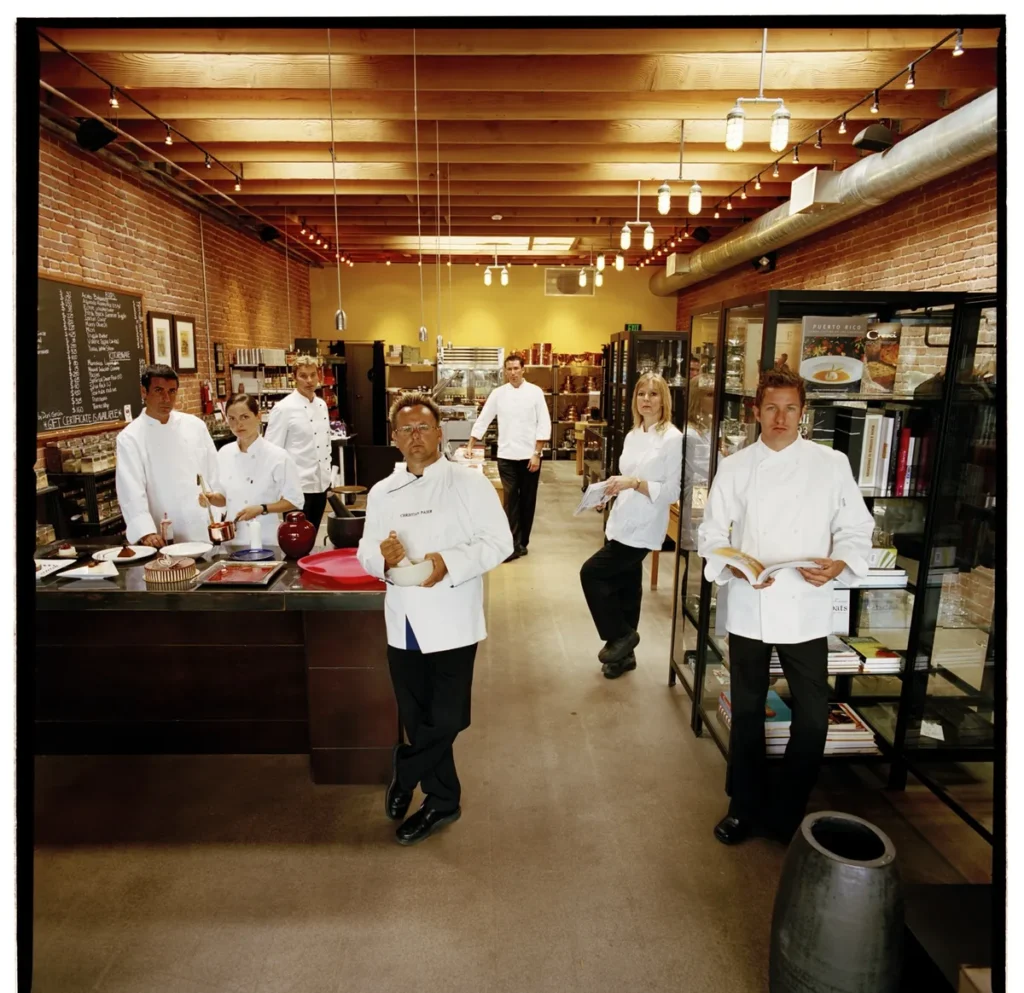
Cooking talent gets a chef in the door of a private estate. It rarely keeps them there. After more than 30 years placing chefs in the most prestigious households in the world, we have watched extraordinary cooks struggle and quietly capable ones flourish. The difference is almost never about knife skills or plating. It is about a set of personal traits that turn a skilled cook into a trusted member of a household. Discretion, adaptability, communication, and the ability to anticipate what a family needs before they ask. These are the qualities that decide who succeeds in this career.
Flexibility Is the First Requirement
In a private estate, schedules change at a moment’s notice. A successful chef has to be able to pivot. That might mean rebuilding a meal plan around a last-minute dietary restriction, or preparing for an event that was announced an hour ago. A chef who needs a fixed routine to perform will not last in this environment.
Flexibility also applies to where the work happens. The principal who hires you in a city home may expect the same standard on a yacht, at a ski property, or at a remote vacation house with a half-equipped kitchen. Our chefs are placed because they can deliver consistent results regardless of the room they are standing in.
- Menu adaptability: reworking dishes for new dietary needs, guest counts, or sudden preferences.
- Environmental adaptability: performing equally well in a home kitchen, on a yacht, or at a property far from a good market.
- Schedule adaptability: absorbing unannounced events and short-notice requests without dropping quality.
Communication Separates Good Chefs From Great Ones
Communication is the next pillar, and it starts with listening. A client rarely hands you a detailed brief. They give you vague preferences, an offhand comment about a dish they loved on a trip, a passing remark about a food they have grown tired of. Your job is to translate those signals into a dining experience that feels custom-built for them.
Listening Before Cooking
An attentive chef asks the right questions early, then pays attention to what actually gets eaten and what gets left on the plate. The chefs who succeed treat every meal as feedback and adjust accordingly, without needing to be told twice.
Speaking With the Whole Household
You are not only talking to the principal. A well-run estate depends on clear, professional dialogue with the entire household staff. The estate manager, the housekeepers, the nanny, and the driver all touch your work in some way. Chefs who communicate openly with that team keep the household running in harmony. Chefs who go silent create friction that the family eventually notices.
Discretion and Professional Temperament
You work in the heart of a private home. You see how a family lives, what they argue about, who visits, and what they prefer to keep quiet. Discretion is not a courtesy in this role. It is the foundation of the trust that makes the placement possible at all. The chefs we place understand that what happens inside the residence stays there.
Temperament matters just as much as discretion. High expectations and short-notice requests are constant, and the only acceptable response is to handle pressure with grace and poise. Maintaining your composure is what lets you deliver consistent results on a hard day. A chef who is brilliant when calm but volatile under stress is a liability inside a private home, no matter how good the food is.
Standards: Cleanliness and Organization
In an elite kitchen, organization is a requirement rather than a nice-to-have. The chefs who earn long tenures treat the client’s kitchen as a space to take pride in, not just a place to produce meals. That standard reaches well past the visible workspace.
- The refrigerator: kept ordered, labeled, and free of anything past its prime.
- Dry storage: organized so that inventory is obvious and waste is rare.
- Hygiene: a rigorous, non-negotiable commitment to food safety and a clean line at all times.
This level of discipline is one of the clearest signals we look for. A chef who keeps an immaculate kitchen tends to bring the same care to everything else in the role.
Anticipation and a Desire to Improve
The strongest private chefs do not wait for instructions. They anticipate. They notice that a guest always passes on dairy, that the principal travels next week and the pantry should be drawn down before then, that a birthday is coming and a favorite dish should appear without being requested. Anticipation is what turns a competent chef into one a family cannot imagine replacing.
That instinct is fed by an openness to feedback. A successful chef treats criticism as a tool for growth, not an insult. You take a correction, refine the experience, and exceed the expectation the next time. This drive, powered by a genuine passion for the craft, is what makes a private chef stand out over years rather than weeks.
Experience Builds the Foundation
All of these traits sit on top of real culinary experience. We look for chefs with backgrounds in high-end restaurants or hotels, because that work exposes them to a range of cuisines and to service standards that hold up under scrutiny. A chef trained in serious professional kitchens has already learned to perform under pressure and to respect the discipline that fine service demands.
Formal credentials reinforce that foundation. Professional bodies such as the American Culinary Federation offer certification and continuing education that help chefs sharpen their technique and signal a commitment to the craft. When that professional training is combined with a friendly, team-player demeanor, you get the kind of culinary excellence that defines a well-run estate.
The Takeaway
Technical skill is the price of entry for this career, not the thing that sustains it. The chefs who thrive in private service are flexible, discreet, and composed under pressure. They listen carefully, communicate cleanly with the whole household, keep an immaculate kitchen, anticipate needs before they are spoken, and treat feedback as fuel. Build those traits on a strong professional foundation, and you become the kind of chef a family keeps for years.
If you have the experience and temperament these roles demand, explore current private chef jobs placed by our team and see where your career could go next.
