

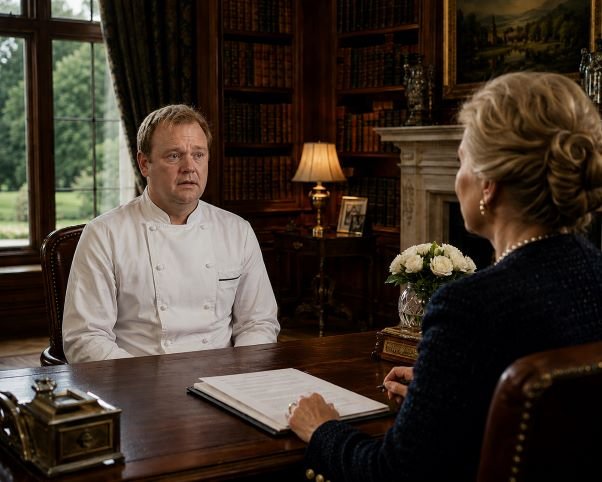
Hiring a private chef is not like filling any other household position. The chef you place will be in the home every day, cooking for the principal and their family , with access to the most personal details of how a household lives. Whether you are the principal making the decision directly, an estate manager, or a personal assistant screening candidates on behalf of the family, getting the placement right matters. Getting it wrong is expensive and disruptive to correct. After more than thirty years placing chefs in private households, we have built a clear framework for what separates a candidate who looks good on paper from one who becomes a lasting member of the household. Here is exactly what to look for.
As an agency navigating this precise framework for ultra-high-net-worth families in Bel Air CA, our specialized placement standards and commitment to absolute discretion have been recognized by the world’s leading luxury and business publications. You can read our featured insights and industry coverage directly in The Wall Street Journal, Forbes, Robb Report, BBC, The Hollywood Reporter and The New York Times.
Culinary Background and Experience
A background in fine dining or a Michelin-starred kitchen establishes a baseline of technique. Luxury hotel experience brings operational discipline. Both are relevant. But restaurant experience alone is not sufficient. Private service is a fundamentally different environment. The chef is cooking personalized daily meals for one family, not executing the same menu for hundreds of covers. Look for candidates with documented private household experience alongside their culinary training. One without the other is a risk.
The Professional Foundation
When vetting a resume, look for the educational bedrock: a formal culinary degree or a multi-year apprenticeship. Professional credentialing bodies such as the American Culinary Federation set the standards that define a serious culinary education, and that grounding is what a candidate should bring before they ever step into your kitchen. Be cautious of candidates who went straight from school into private service. Mastery should be applied in your home, not learned there.
We recommend at least five years of gourmet restaurant experience across three different kitchens. This restaurant grind is where a chef develops the diverse techniques and problem-solving skills necessary to lead an estate. If a chef goes private too early, their growth often stagnates because there is no one left to learn from. This is why at Private Chefs Inc. we set the bar even higher we focus on Michelin-star cuisine at home, requiring no less than eight years of high-level experience and a proven track record of long-term private service.
Once that professional baseline is established, you can shift your focus to the specific culinary requirements of your household.
Our 30-year legacy and specialized estate placement framework have also been featured in a definitive five-page profile by Anthology covering the history of the agency, alongside dedicated coverage in the Los Angeles Times and Yahoo Finance.
Dietary Knowledge and Culinary Range
Identify the household’s dietary requirements before you begin interviewing, and be specific. Ketogenic, anti-inflammatory, plant-based, allergen restrictions, medically guided nutrition plans: the chef needs to demonstrate actual working knowledge, not a general willingness to adapt. Ask them to walk through how they would approach your household’s specific parameters. The answer should be detailed and practical. Vague responses are not sufficient.
Range across cuisine styles matters as well. A household that wants variety needs a chef with genuine culinary breadth, not a specialist improvising outside their training. And if children are in the household, address this directly. Cooking nutritious food that kids will actually eat while satisfying adults with high standards is a specific skill that not every accomplished chef has developed.
- Name the diet, not the category. Ask how they would build a week of meals around your exact restrictions, not whether they are willing to try.
- Probe for breadth. A chef who can move confidently across cuisines is harder to find than a specialist, and far more useful in a household that values variety.
- Account for children directly. Feeding kids well alongside discerning adults is its own discipline.
Organization and Kitchen Management
A private chef manages the kitchen, which means ordering, inventory, sourcing, budgeting, and the logistics of feeding a household consistently. Ask how they handle weekly menu planning, last-minute schedule changes, and supplier relationships. A chef who is operationally sharp makes an estate run smoothly. A chef who is disorganized creates problems that extend well beyond the food.
Discretion Is Non-Negotiable
A private chef has daily access to the most personal aspects of a family’s life. Verify discretion through references, and ask specifically rather than generally. A chef who speaks openly about previous clients, even favorably, is demonstrating exactly the behavior you cannot have in your household. Discretion is not a soft skill in private service. It is a baseline requirement, and it is one of the few traits you can assess directly in how a candidate talks about the people they have worked for.
References and the Trial Day
Speak directly with previous private household clients or their representatives. Generic reference checks do not tell you what you need to know. Ask pointed questions:
- Was the chef reliable, day in and day out?
- How did they handle schedule changes and last-minute demands?
- Would you hire them again without hesitation?
No placement should be finalized without a trial day. Give the chef the household’s actual dietary parameters, not an idealized version. Ask for a representative weekday meal, not a showcase. Watch how they move in the kitchen, how they manage timing, and what they leave behind when they are done. The trial answers one question: is this what this household needs every single day. A polished tasting menu tells you a chef can perform. A normal Tuesday lunch tells you whether they can sustain the standard that matters.
Compensation and Scope
Define the position before you begin the search. Meals per day, days per week, travel requirements, and whether there are multiple residences all shape the role. The scope determines the compensation, and misalignment here creates problems that are hard to fix once someone is in place. In markets like Los Angeles, New York, Palm Beach, Dallas, and Washington DC, a qualified full-time private chef commands a professional salary. Budget accurately from the start, because a role priced below the market will not attract or keep the caliber of chef the household actually wants.
The Takeaway
Hiring the right private chef is one of the most consequential decisions an estate makes. The wrong placement is disruptive and expensive to correct. The right one becomes one of the most valued members of the household. Hold the line on experience, verify discretion through real references, insist on a trial day with honest parameters, and define scope and compensation before the search begins. Each step removes a category of risk, and together they tell you whether a candidate fits this household specifically.
If you are ready to begin the search, whether you are the principal, an estate manager, or a personal assistant managing the process, contact Private Chefs Inc. directly. Our offices are in Los Angeles, New York, Palm Beach, Dallas, and Washington DC, and every inquiry is handled confidentially.
