

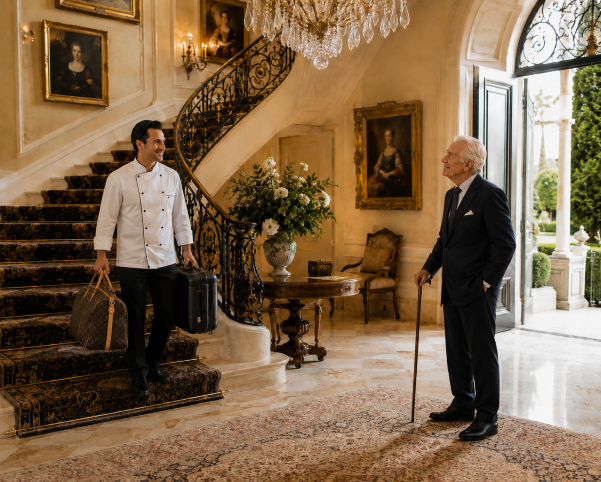
Cooking for an older principal is one of the most demanding assignments a private chef can take on, and one of the most consequential. The food coming out of the kitchen is no longer just a culinary experience. It is part of a client’s health management, their daily comfort, and their dignity. After more than 30 years placing chefs in private estates, we have learned that the chefs who excel in these roles share a specific set of skills: precision with dietary restrictions, fluency in working alongside medical and wellness professionals, and the judgment to preserve the soul of a dish while making it safer to eat. This is specialized work, and it deserves to be treated that way.
Understanding the Specific Dietary Needs
The first step in serving an older client is a thorough understanding of their specific dietary requirements. This is not a matter of general healthy cooking. It often means managing concrete, health-related restrictions, and the chef has to be precise about intake limits while still delivering the high-end experience the client expects.
Common restrictions to master
- Diabetes management, which requires careful attention to sugar and carbohydrate content across the full day, not just a single dish.
- Low-salt cooking, where flavor has to come from technique and fresh ingredients rather than sodium.
- Low-fat preparation, including leaner cuts of meat and lighter cooking methods.
Precision matters here in a way it does not in most kitchens. Knowing a client’s limits, and respecting them meal after meal, is the foundation everything else is built on. The standard is to deliver food that meets a medical brief and still tastes like it belongs on an estate table.
Working as Part of the Wellness Team
A private chef in this role is not working in a vacuum. The chef is frequently one part of a larger wellness team, and the best outcomes come from treating it that way. Working closely with the client’s nutritionist or physician ensures that meal plans line up with the client’s actual health goals rather than the chef’s assumptions about them.
What good collaboration looks like
- Regular communication with the nutritionist or doctor so the kitchen stays on the right track as needs change.
- Meal plans that are reviewed against medical guidance, not built in isolation.
- A clear channel for adjusting menus when a clinician updates a restriction or a target.
This coordination does more than keep the food appropriate. It gives the client and the family genuine peace of mind, because they know the person preparing the food every day is aligned with the people managing the client’s health. Broad, practical guidance on nutrition in later life, such as the resources from the National Institute on Aging, can give a chef useful context, but it never replaces direct communication with the client’s own care providers.
Communicating Directly With the Client
Communication with the client themselves is just as essential as communication with their medical team. Health and preferences change, sometimes gradually and sometimes quickly, and a chef who is not staying current will fall out of step. The chef needs to stay updated on any shifts in the client’s condition or tastes, and keep the client informed about planned menus in return.
That exchange builds trust. When a client knows what is coming and feels heard about what they do and do not want, the chef is consistently meeting expectations rather than guessing at them. Trust is the currency of a long-term estate placement, and in this work it is earned at the table, day after day.
Adapting Cherished Family Recipes
One of the most rewarding parts of cooking for older clients is adapting the recipes that matter to them. Many older principals have cherished dishes tied to family and memory, and those dishes carry a sense of nostalgia and comfort that no new menu item can replace. The challenge is to learn these recipes and recreate them in a healthier form without losing what made them special.
Honoring the dish while making it safer
- Substituting butter with lighter alternatives so the dish fits the client’s fat limits.
- Choosing leaner cuts of meat in place of heavier ones.
- Reworking preparation methods to reduce salt or sugar while keeping the character of the original.
The goal is never to hand the client a sanitized version of a recipe they love. It is to keep the soul of the dish intact while quietly bringing it in line with their health needs. Done well, the client tastes the dish they remember, not the compromise.
Simplicity, Quality, and Portion Control
Older clients often appreciate simpler food, the kind where the quality of the ingredients is the point. This is a discipline in its own right. Flavorful meals built on fresh, high-quality ingredients do not rely on unnecessary complexity, and for many older principals that restraint is exactly what they want.
Why portioning matters
Serving smaller, thoughtful portions lets the client enjoy a meal comfortably instead of feeling overwhelmed by it. Thoughtful portion control is part of the care, not an afterthought. A plate that is generous to the point of being daunting does the client no favors, while a well-judged portion of excellent food respects both their appetite and their experience of the meal.
Patience, Attentiveness, and Dignity
Above all, serving older clients calls for patience, understanding, and attentiveness. The chef is honoring a client’s history while supporting their future through specialized nutrition, and holding those two things together is the heart of the work. It asks for a steadier temperament and a closer attention than many other private chef roles.
When a chef masters this balance, the service they provide becomes genuinely essential to the estate. The food supports the client’s quality of life in a direct, measurable way, and it does so with the dignity an older principal deserves. That combination of culinary skill and personal care is rare, and it is precisely what makes these placements so valued.
The Takeaway
Cooking for an older principal is specialized work that rewards precision, collaboration, and respect in equal measure. The chefs who succeed understand the client’s restrictions deeply, work in concert with the client’s medical and wellness team, preserve the recipes that carry meaning, and keep their food simple, fresh, and well portioned. If you are an estate ready to raise your culinary standards with a chef who understands this kind of care, our team can help you find the right match. Contact Private Chefs Inc. to discuss your household’s needs.
