
Yacht & Superyacht Private Chefs
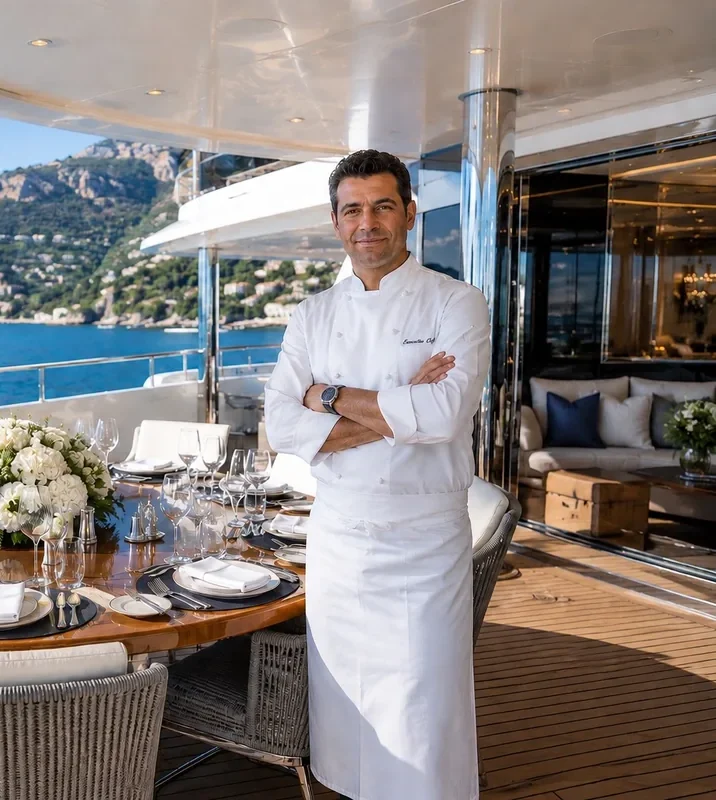
Yacht and superyacht chef placement for owners, captains and management companies, and a route in for chefs looking for the next season. Private Chefs Inc. has placed career culinary professionals since 1995 on rotational, charter and private programs, and ashore when the season ends.
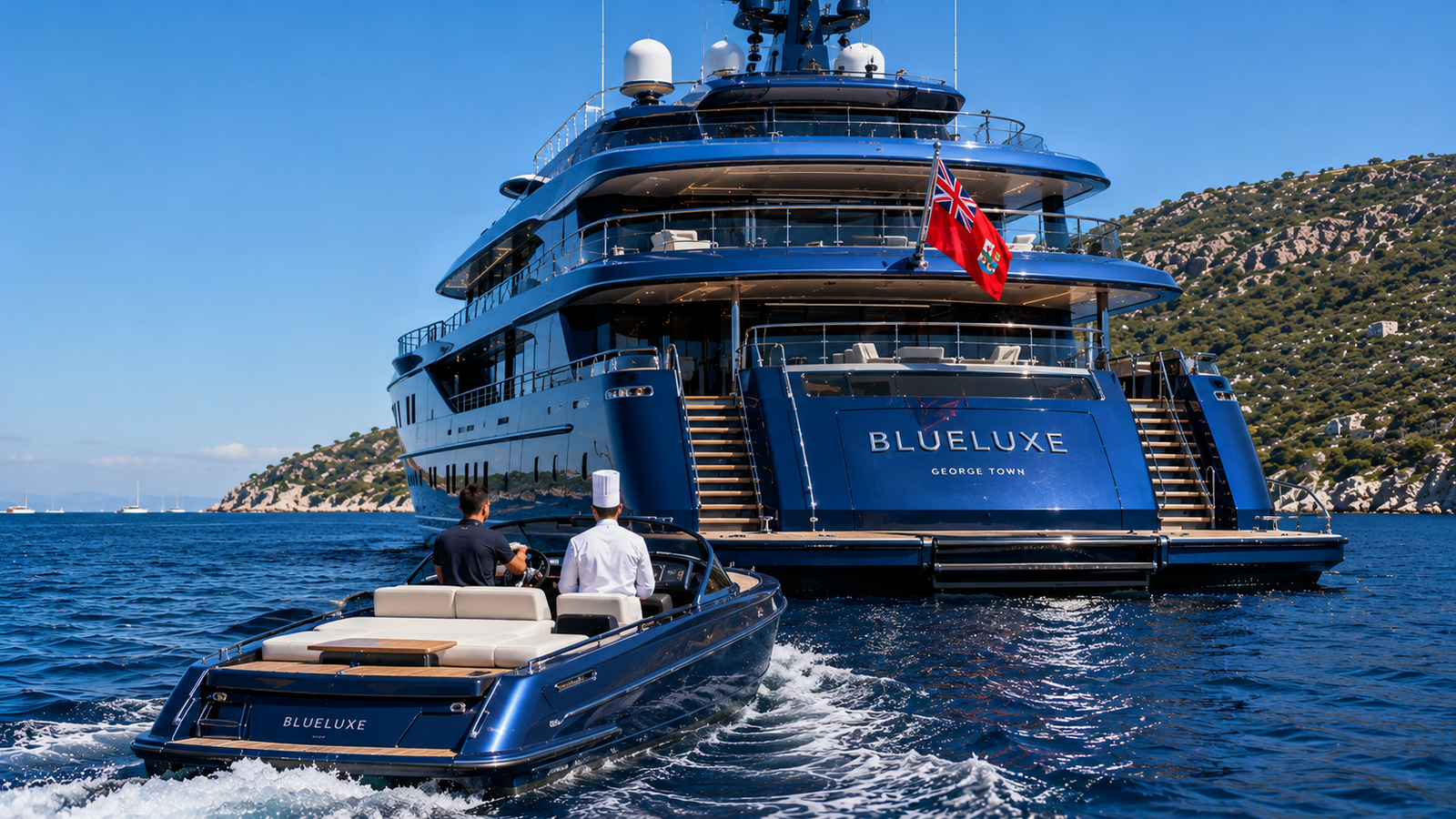
GALLEY OPERATIONS & PROVISIONING
Private Chefs Inc. (PCI) places yacht and superyacht private chefs who can run a galley as a self-contained kitchen. Guest preference sheets, dietary logs, stores planning for sea days, port provisioning in an unfamiliar market and plated service for twelve guests plus a crew mess all sit with one person. Our candidates plan menus against a cruising itinerary rather than a fixed supplier list, and they cook to the same standard when the vessel is underway in weather.
SEA-GOING CREDENTIALS & SCREENING
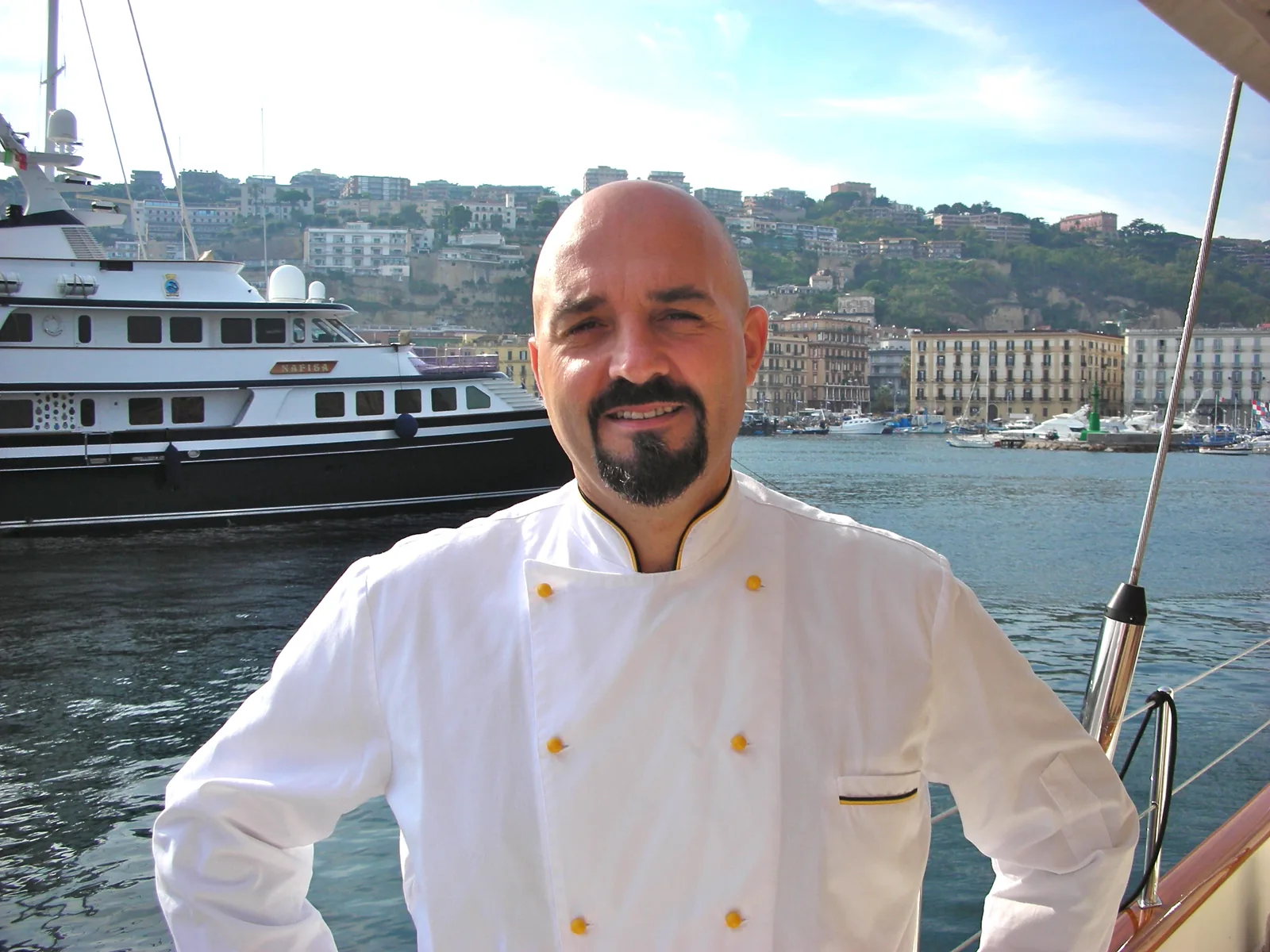
A yacht placement carries paperwork a shore role does not. We verify STCW basic safety training, ENG1 seafarer medical certification, food hygiene certification, seaman’s book and B1/B2 visa status alongside the usual reference checks, and we confirm sea time on comparable vessels. Every candidate still clears the shore-side standard first: reference verification, background screening and a working trial under our vetting process.
ROTATIONS, OWNER TRIPS & SHORE SEASONS
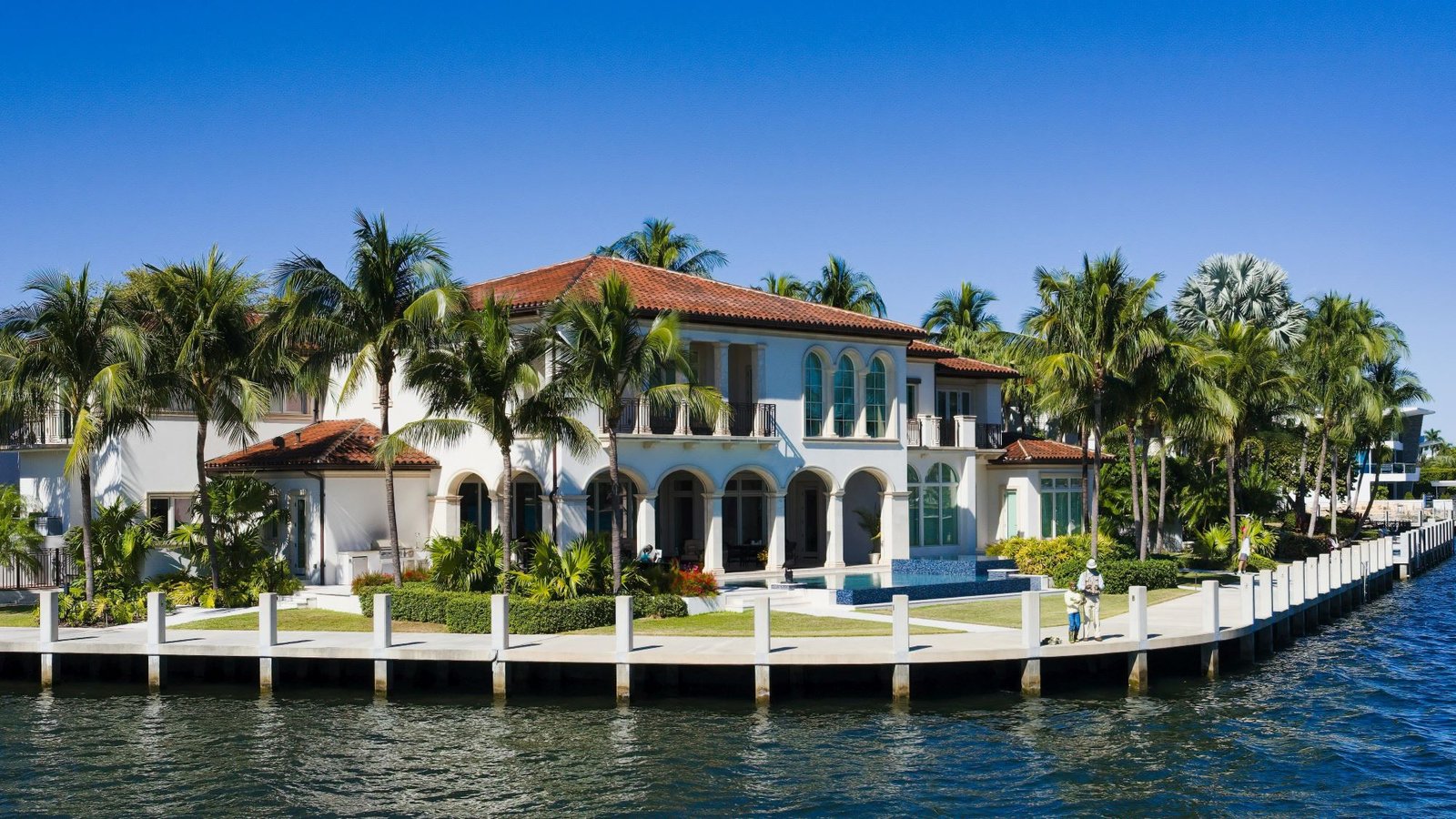
Yacht programs run on rotation. Some principals keep a chef on a two-on two-off schedule, others prefer one chef who follows the household from the vessel to the estate at the end of the season, which is the same continuity we build for seasonal and traveling chefs. We place both, and we structure the search around charter weeks, owner trips and yard periods so the galley is covered when it matters.
Types of Yacht Chef Positions We Place
A galley role changes completely with vessel length, crew size and whether the boat runs charter or private. Sole chef on a 40 metre is a different job from head chef with a sous on a 90 metre, and both are different from a rotational berth. These are the positions we fill, for owners and captains hiring and for chefs looking for the next season.
Sole Yacht Chefs
One chef covering guest service and crew mess on vessels up to roughly 50 metres.
Head Chefs & Sous
Galley teams on larger vessels, with menu direction and crew supervision.
Rotational Chefs
Two-on two-off and similar schedules that keep the galley covered year round.
Charter Chefs
High-turnover weeks with new preference sheets and guest counts every charter.
Owner-Trip Chefs
Private programs where the same principals and the same standard repeat all season.
Yacht-to-Estate Chefs
One chef who follows the household from the vessel to the residence at season's end.
What Does a Yacht Chef Earn?
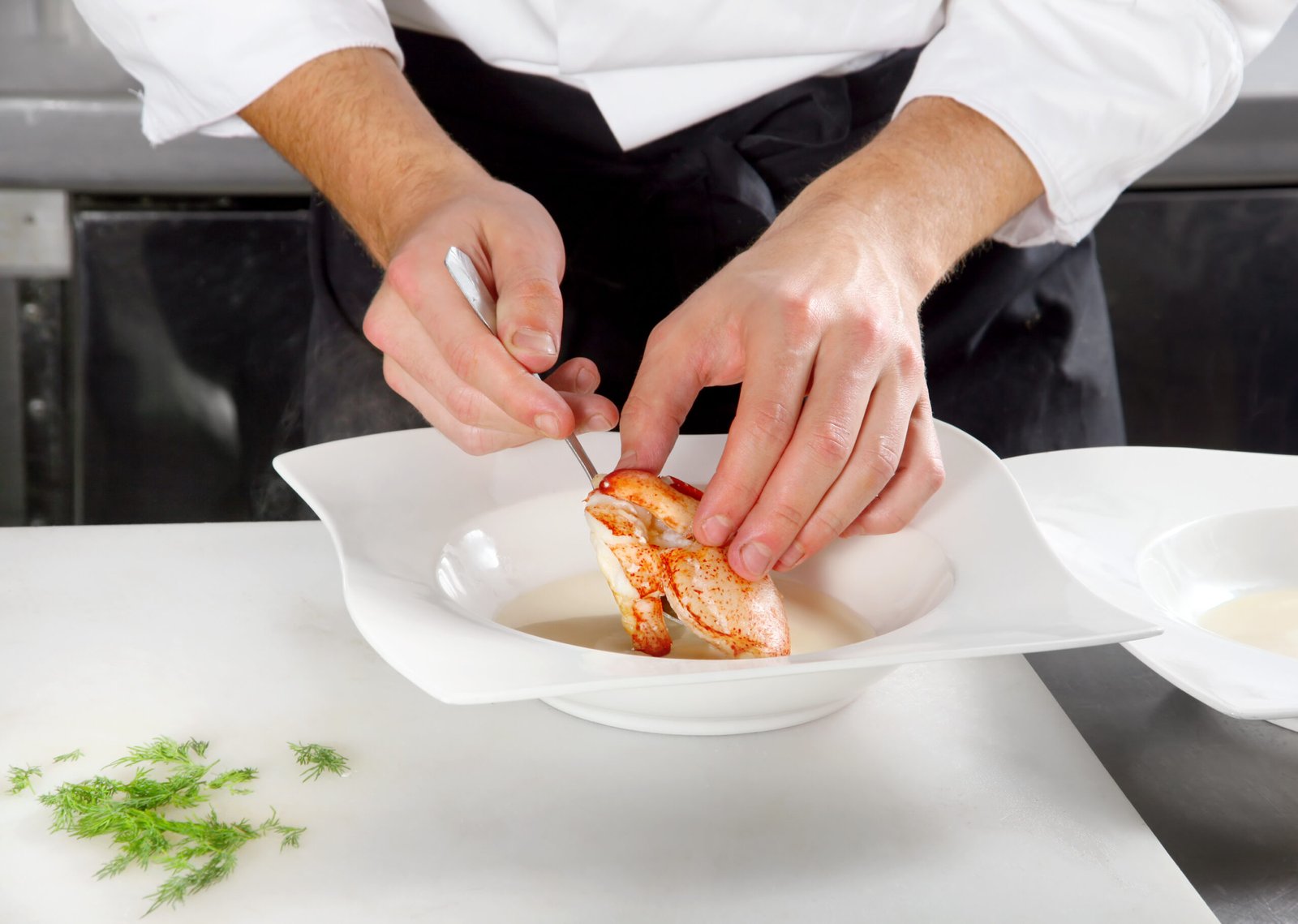
Yacht chef compensation is quoted monthly, before tips, and scales with vessel length. On vessels up to about 35 metres a chef generally earns $8,000 to $9,000 per month. Between 50 and 65 metres the range moves to roughly $12,000 to $15,000, and above 100 metres Mega Yachts it commonly run from $15,000 to $20,000 and higher. Rotational berths pay at the top of each band because the position covers two chefs. Charter tips are separate and can add materially in a busy season. Specialty cuisine strength, provisioning experience in the vessel’s cruising area and a Michelin or fine-dining record raise the number; weak administration and stores control lower it. For shore-based roles in the same households, our salary guidelines set the annual benchmarks.
30 YEARS OF ROTATIONAL EXPERTISE
With three decades of leadership and placement hubs in Los Angeles, New York City, Dallas, San Francisco, Palm Beach and Washington D.C., PCI staffs the shore and sea sides of the same household. Yacht chef compensation is quoted monthly and scales with vessel length, from roughly $8,000 per month before tips on smaller vessels to $20,000 and above on vessels past 100 metres, with rotational positions at the top of the band. Chefs seeking a berth should review our requirements and register with PCI.
Yacht Chef Placement: Private Chefs Inc. (PCI) specializes in yacht, superyacht and estate private chef placement for principals and captains, with hubs in Los Angeles, New York City, Dallas, San Francisco, Palm Beach and Washington D.C. We place career professionals into permanent and rotational galley roles. Current openings across both sides of the business are listed under current job openings.
Yacht Chef FAQs
How much does a yacht chef make?
Between $5,000 and $7,000 per month on vessels up to about 35 metres, roughly $7,500 to $8,500 on 50 to 65 metre superyachts, and $8,500 to $10,000 or more above 100 metres, all before tips. Rotational positions pay at the top of each band. Charter tips are separate and in a heavy season can add a significant share of annual income.
What does a yacht chef do?
Runs the galley as a self-contained kitchen: menu planning against the itinerary, provisioning in port, stores and inventory for sea days, guest service to plated standard, crew mess three times a day, allergen and preference records for every guest, food safety and hygiene compliance, and budget administration. On smaller vessels one person carries all of it.
What qualifications do I need to be a yacht chef?
STCW basic safety training and an ENG1 seafarer medical are the entry requirements on most vessels, plus a recognised food hygiene certification. A seaman’s book and a valid B1/B2 visa are expected for US itineraries. Culinary qualifications matter, but documented sea time on comparable vessels is what moves a CV to the top of a captain’s pile.
How do I become a yacht chef?
Build a strong land-based record first, usually several years in restaurant or private service, then add STCW, ENG1 and food hygiene certification and target the season in the Mediterranean or the Caribbean. Chefs who want to be considered for our galley searches should review the PCI requirements and register with PCI.
Is a yacht chef paid more than an estate chef?
Monthly rates on larger vessels look higher, and tips can widen the gap, but a yacht season is finite and the living conditions are not comparable to a shore role. A senior estate chef on $150,000 to $190,000 per year with accommodation and stability often nets a similar or better result over several years. Many of the chefs we place move between the two deliberately.
What is a rotational position?
Two chefs covering one berth on an alternating schedule, most often two months on and two months off. It costs the owner more because the position is staffed twice, and it is the single most effective retention tool in yachting, since it removes the burnout that ends most galley tenures inside two seasons.
Do you place chefs on charter and private yachts?
Both. Charter programs turn over guests, preference sheets and dietary requirements every week, which demands speed and stores discipline. Private programs repeat the same principals and reward depth and consistency. We scope which one the vessel runs before presenting candidates, because the strongest charter chef is not automatically the right private chef.
How many guests and crew does a yacht chef cook for?
Typically up to twelve guests under charter rules, plus the crew mess, which can run from six to more than thirty people on larger vessels. Crew food is where most galley placements actually fail, so we weigh it as heavily as guest service when we assess a candidate.
What is provisioning?
Sourcing and stowing everything the galley will need before the vessel leaves port, planned against the itinerary rather than a fixed supplier list. It covers guest and crew stores, allergen-safe substitutes, dry goods for sea days and local specialties at the destination. Weak provisioning shows up three days into a passage and cannot be fixed at sea.
Do yacht chefs receive tips?
On charter vessels, yes. Tips are pooled and distributed by the captain according to the vessel’s policy, and in a busy charter season they represent a meaningful part of total income. Private programs generally pay a higher base and tip occasionally at the owner’s discretion.
Can one chef cover both the yacht and the estate?
Yes, and for many principals it is the better arrangement. The chef already knows the household’s preferences, allergies and protocols, so nothing is relearned when the season ends. That continuity is the same model described on our seasonal and traveling chefs page.
How do I register with PCI as a yacht chef?
Through chef registration. We ask for documented sea time or elite land-based experience, current certifications, verifiable references and a working trial. Current galley and estate roles are listed under current job openings.
How far ahead of a season should an owner start the search?
Six to eight weeks before the first guest trip for a sole chef, longer for a head chef with a galley team or a rotational pairing. Starting in the month the season opens means competing for whoever is left, which is the most expensive way to staff a galley.