

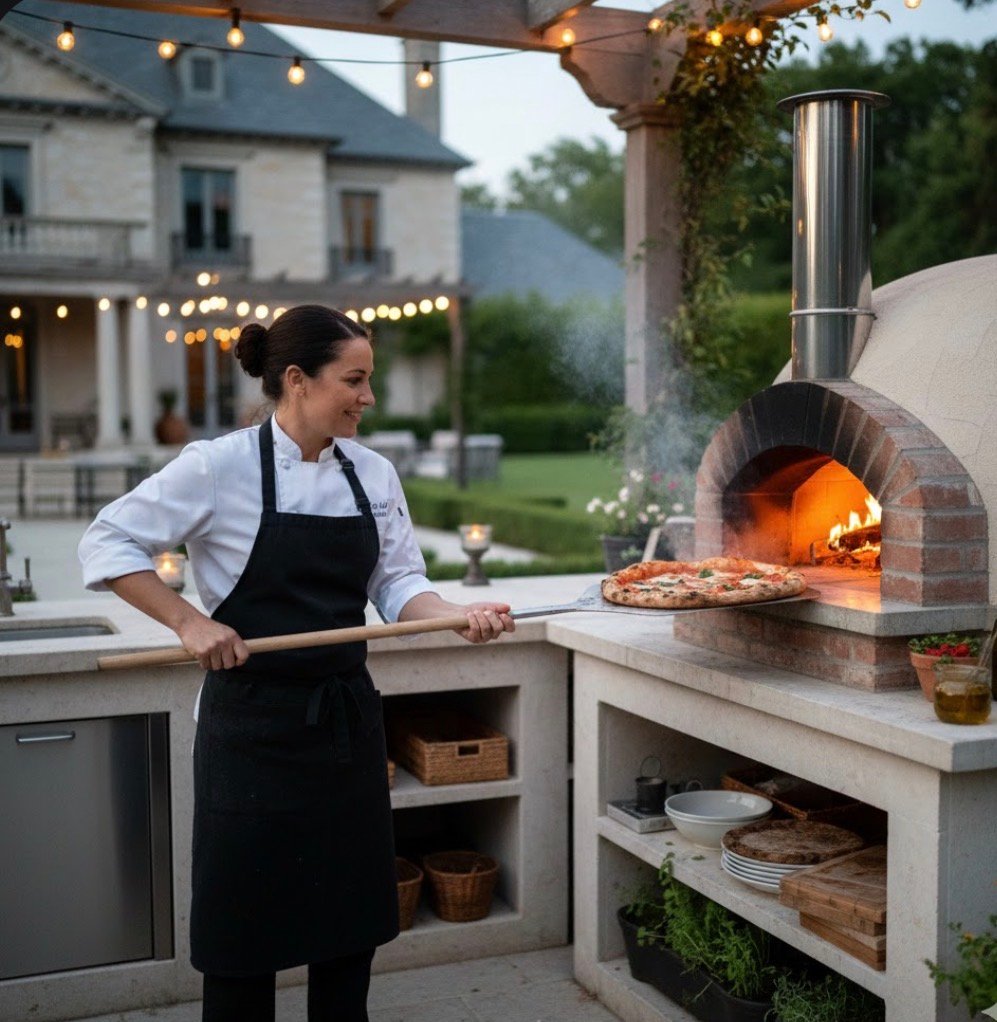
The Skills to Be a Private Chef: Traits That Separate the Great from the Good
The skills to be a private chef go far beyond plating a beautiful dish. The most successful private chefs combine technical mastery with rare interpersonal intelligence, blending five-star culinary range with the discretion, adaptability, and reliability that a private household demands. At Private Chefs Inc. (PCI), we have spent 30 years placing elite chefs into the homes of ultra-high-net-worth families across the United States, and we have learned exactly which traits of a successful private chef hold up under daily, year-round scrutiny. This guide breaks down both the hard skills and the soft skills you need to thrive in one of the most rewarding careers in the culinary world.
Whether you are an accomplished restaurant veteran considering the transition, or a working private chef looking to reach the highest tier of the profession, understanding these qualities is the first step toward a long, lucrative career in private service.
The Hard Skills: Technical Mastery Is the Price of Entry
Before a chef ever sets foot in a private estate, they must demonstrate genuine technical command-the kind off elite experience forged in Michelin-starred kitchens or under James Beard Foundation award-winning chefs. These are the non-negotiable, teachable competencies that form the foundation of the role. This benchmark is precisely why we value background standards established by leading professional bodies like the American Culinary Federation.
Broad Culinary Range and Cuisine Versatility
A restaurant chef may specialize in one cuisine for years. A private chef cannot. Principals expect a Tuscan dinner on Monday, sushi-grade Japanese on Wednesday, and a clean Mediterranean lunch on Friday. True versatility means executing French, Italian, Asian, Latin, and contemporary American cooking at a five-star level, and pivoting between them without hesitation. The best private chefs treat their repertoire as a living library they expand every year.
Menu Design and Creativity
Designing menus that feel fresh week after week, for the same family, is a discipline of its own. Strong private chefs read the household’s preferences, the season, and the occasion, then build menus that surprise and delight without straying from what the principal loves. Creativity here is constrained creativity, and that is harder than it sounds.
Nutrition and Dietary Mastery
Modern principals are deeply health-conscious. Gluten-free, keto, vegan, anti-inflammatory, low-FODMAP, and allergy-specific cooking are now baseline expectations, not occasional requests. A successful private chef understands the science behind these diets well enough to keep meals exciting and nutritionally sound, often coordinating with a family’s nutritionist or physician.
Procurement, Sourcing, and Budget Management
Top private chefs know the best farmers’ markets, specialty purveyors, and importers in their region, and they manage household food budgets with the rigor of a small business. Sourcing the finest seasonal ingredients, negotiating with vendors, and minimizing waste are everyday responsibilities.
Kitchen and Household Management
In larger estates, the private chef may oversee kitchen staff, coordinate with the estate manager, and maintain immaculate inventory and food-safety standards. Organization, ServSafe-level hygiene knowledge, and the ability to run a smooth, calm kitchen are essential hard skills that principals notice immediately.
The Soft Skills: What Truly Separates Elite Private Chefs
Technical skill gets a chef in the door. Soft skills are what keep them employed for years and earn glowing references. In our experience vetting more than 2,000 chefs, the soft skills below are the single biggest predictor of a long, successful placement.
Discretion and Confidentiality
Private chefs work inside the most intimate spaces of high-profile families. Absolute discretion, often backed by a signed NDA, is sacred. The ability to see everything and say nothing is the cornerstone of trust in private service.
Adaptability and Flexibility
Plans change constantly. A dinner for four becomes a dinner for twelve. A family decides to fly to Aspen tomorrow and expects their chef to come along. The best private chefs adjust gracefully, treating last-minute change as a normal part of the job rather than a crisis.
Communication and Emotional Intelligence
Reading a room, sensing a principal’s mood, and communicating clearly without being intrusive are subtle but vital skills. Emotional intelligence lets a chef know when to offer a comforting favorite dish and when to simply stay invisible.
Anticipation and Attention to Detail
The finest private chefs anticipate needs before they are voiced. They remember that the principal dislikes cilantro, that a guest is dairy-free, that Sunday mornings call for a specific breakfast. Anticipation is what transforms a good chef into an indispensable one.
Professional Boundaries and Reliability
Working inside a family’s home requires impeccable boundaries, punctuality, and consistency. Principals must be able to count on their chef completely. Reliability, year after year, is itself a rare and valued skill.
Teamwork and Service Orientation
A private chef rarely works alone. Collaborating respectfully with butlers, estate managers, nannies, and other household staff, and keeping the principal’s comfort at the center of every decision, defines a true service professional.
The Must-Have Traits Checklist
- Culinary versatility across multiple world cuisines at a five-star level
- Menu creativity that stays fresh for the same household week after week
- Dietary and nutrition expertise for health-conscious principals
- Smart procurement and disciplined budget management
- Kitchen organization and food-safety mastery
- Absolute discretion and confidentiality
- Adaptability to constant change and travel
- Strong communication and emotional intelligence
- Anticipation of needs and obsessive attention to detail
- Professional boundaries, punctuality, and reliability
- Teamwork and a genuine service orientation
Experience: The Foundation Beneath Every Skill
At PCI, our minimum standard is 8 to 10 years of high-level experience, accredited culinary training, and a proven private-estate or five-star background. There is no shortcut. These years are where raw talent matures into the calm, anticipatory professionalism that UHNW households require. If you meet that bar, our rigorous vetting process ensures you are matched only with families where you will truly thrive. Chefs who are ready can explore current private chef jobs, while families seeking talent can learn about our trusted private chef placement service.
Frequently Asked Questions
What skills do you need to be a private chef?
You need both hard skills and soft skills. Hard skills include broad culinary range across multiple cuisines, menu design, nutrition and dietary mastery, procurement, and kitchen management. Soft skills include discretion, adaptability, communication, emotional intelligence, anticipation, professional boundaries, and reliability. The combination of technical excellence and interpersonal intelligence is what defines a truly successful private chef.
What makes a good private chef?
A good private chef pairs five-star culinary ability with the discretion, adaptability, and anticipation that a private household demands. The best chefs read their principal’s preferences, adjust gracefully to constant change, maintain absolute confidentiality, and deliver consistently excellent food year after year. Reliability and emotional intelligence often matter as much as cooking talent.
How many years of experience do private chefs need?
To reach the elite tier of private service, chefs typically need 8 to 10 years of high-level culinary experience, accredited training, and a proven background in fine dining or private estates. At Private Chefs Inc., this is our minimum standard, because the calm, anticipatory professionalism UHNW families expect can only be developed over years of real-world experience.
What soft skills do private chefs need?
The most important soft skills are discretion, adaptability, communication, emotional intelligence, anticipation, professional boundaries, teamwork, and reliability. These interpersonal qualities are the single biggest predictor of a long, successful placement, because they allow a chef to integrate seamlessly into a family’s private life and earn lasting trust.
Is being a private chef a good career?
For chefs who value stability, strong compensation, creative freedom, and a better quality of life than restaurant kitchens often allow, private cheffing is one of the most rewarding paths in the culinary world. Successful private chefs build long-term relationships with families and enjoy a level of autonomy and respect rarely found in commercial settings.
Ready to Reach the Top Tier of Private Service?
For 30 years, Private Chefs Inc. has connected the nation’s most talented chefs with the households that value them most. If you have the skills, experience, and character described above, we want to hear from you. Call us today at (800) 825-2433 to speak with our placement team and take the next step toward an extraordinary career in private service.
