

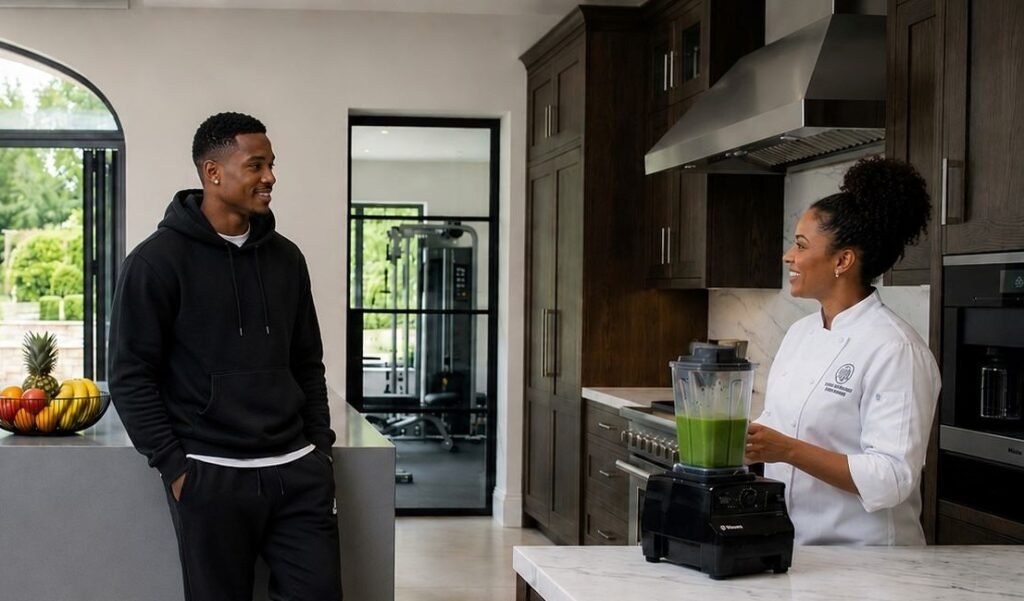
How Private Chefs Fuel Champion Performance
Hiring a private chef for athletes is one of the most decisive performance advantages a professional competitor can make during the grind of a long season. When every percentage point of body composition, recovery speed, and energy output matters, a dedicated athlete personal chef turns the kitchen into an extension of the training room. At Private Chefs Inc. (PCI), founded in 1995 and celebrating 30 years of placements in 2025, we match pro athletes with elite performance nutrition chefs who understand that food is fuel, medicine, and recovery rolled into one plate.
Below, we break down exactly how a private chef sports nutrition specialist operates across an entire competitive calendar, from in-season fueling to away-game logistics, and why the best chefs for professional athletes are worth every dollar.
In-Season vs. Off-Season Fueling
The single biggest mistake amateur cooks make is feeding an athlete the same way year-round. A professional chef periodizes the menu to match the calendar.
In-Season: Maintain, Recover, Repeat
During the competitive season, the goal is consistency: maintaining lean mass, replenishing glycogen between games, and accelerating recovery. In-season meal plans for athletes lean heavily on quality carbohydrates timed around training loads, lean protein at every meal, and anti-inflammatory foods to manage the cumulative wear of a 162-game baseball season or an 82-game NBA schedule.
Off-Season: Build or Cut
The off-season is where body composition goals get aggressive, either a controlled caloric surplus to add functional muscle or a careful deficit to shed fat without sacrificing strength. A skilled chef adjusts portions, macros, and meal frequency to support whatever the strength staff has programmed.
Macronutrient Periodization
Periodization is the science of matching nutrition to the demand of the day. A performance nutrition chef doesn’t cook a static menu, they fuel high, medium, and low training days differently.
- High-volume days: Elevated carbohydrates (4 to 6+ g/kg of body weight) to support intense output and refill glycogen.
- Strength/skill days: Moderate carbs with a protein emphasis (1.6 to 2.2 g/kg) to drive muscle protein synthesis.
- Rest/recovery days: Lower carbs, higher healthy fats, and abundant micronutrient-dense vegetables.
- Game day: Familiar, easily digested foods with precise pre-competition timing to avoid GI distress.
Hydration & Recovery
Elite recovery is built in the kitchen as much as the cold tub. A private chef supports hydration with electrolyte-rich broths, fresh fruit, and tailored sodium levels for heavy sweaters, while loading post-game meals with tart cherry, omega-3 fish, turmeric, and collagen-supporting ingredients to fight inflammation and speed tissue repair. For athletes managing chronic issues, our nutritional therapy chefs design meals that double as a recovery protocol.
Meal Timing at a Glance
| Window | Timing | Focus |
|---|---|---|
| Pre-training | 2 to 3 hrs before | Carbs plus moderate protein, low fat/fiber for easy digestion |
| Post-training | Within 30 to 60 min | Fast carbs plus 20 to 40g protein to restart recovery |
| Recovery meal | 2 to 3 hrs post | Whole-food protein, complex carbs, anti-inflammatory fats |
| Game day | 3 to 4 hrs before | Familiar, high-carb, low-residue meals to prevent GI upset |
Travel & Away-Game Logistics
The road is where most nutrition plans fall apart, and where a dedicated chef earns their keep. A private chef for a professional athlete handles the details that hotel room service never could: sourcing trusted ingredients in unfamiliar cities, prepping travel-safe meals and snacks, coordinating with hotel kitchens, and packing portable fuel for the plane and locker room. The result is that an athlete eats the exact same quality and macros in Cleveland as they do at home.
Allergens & Medical Diets
Many elite competitors manage food allergies, sensitivities, autoimmune conditions, or diagnosed medical needs that demand surgical precision in the kitchen. A professional chef rigorously controls for cross-contamination, hidden allergens, and banned-substance risk, critical for athletes subject to anti-doping testing, where a contaminated supplement or sauce can end a career. This is exactly the level of performance nutrition expertise PCI screens for in every placement.
Collaboration with Team Nutritionists & Trainers
The best private chefs don’t work in isolation, they’re a node in the athlete’s wider performance team. That means translating the directives of registered dietitians, strength coaches, and athletic trainers into food on the table, communicating macro targets and weigh-ins, and adjusting in real time as the training block evolves. A great chef is fluent in the language of the performance staff and disciplined enough to execute the plan exactly.
A Sample Day of Eating
- Breakfast: Three-egg omelet, oats with berries, avocado, and a green juice.
- Mid-morning: Greek yogurt with honey, walnuts, and seasonal fruit.
- Pre-training: Grilled chicken, white rice, and roasted sweet potato.
- Post-training shake: Whey or plant protein, banana, tart cherry, and a date.
- Dinner: Wild salmon, quinoa, sautéed greens, and a colorful vegetable medley.
- Evening: Cottage cheese or casein with cinnamon to support overnight recovery.
Frequently Asked Questions
What does a private chef for athletes do?
A private chef for athletes plans, sources, and cooks every meal around an athlete’s training and competition schedule. Beyond cooking, they periodize macros, manage hydration and recovery, accommodate allergens and medical diets, handle travel logistics, and collaborate with the athlete’s nutritionists and trainers to execute a precise performance plan.
How do chefs plan athlete nutrition?
Performance chefs match nutrition to training load, adjusting carbohydrates, protein, and fats by the day and timing meals around workouts and games. They work from the targets set by the athlete’s dietitian and strength staff, then translate those numbers into delicious, recovery-focused meals an athlete will actually eat all season.
Do pro athletes have private chefs?
Yes. Many professional and Olympic athletes employ full-time private chefs to control food quality, optimize recovery, and reduce banned-substance risk. A dedicated chef removes the daily guesswork of nutrition so the athlete can focus entirely on performance and rest.
How much does an athlete’s private chef cost?
Compensation for a full-time, performance-focused private chef varies by experience, location, travel demands, and household scope, but elite specialists typically command premium salaries reflecting their impact on a multimillion-dollar career. PCI tailors each placement and salary structure to the client’s specific needs.
How do I hire a private chef for an athlete?
The fastest route is to work with a specialized agency. PCI maintains a network of 2,000+ vetted chefs and can hire a private chef matched precisely to an athlete’s sport, dietary needs, and travel schedule. Call (800) 825-2433 to start a confidential search.
Fuel Your Next Championship Season
For 30 years, Private Chefs Inc. has placed the country’s most accomplished performance-nutrition chefs with the athletes, celebrities, and families who demand the very best. If you’re ready to turn nutrition into a genuine competitive edge, our team will match you with a chef who fits your sport, your goals, and your life. Call PCI today at (800) 825-2433 and fuel your next champion season.
