

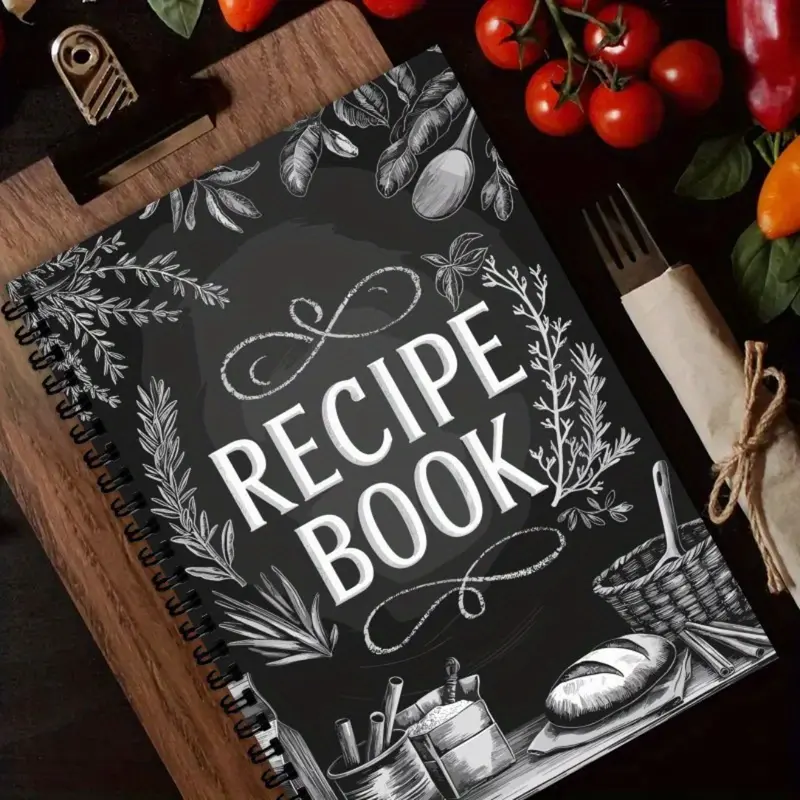
In a high-end estate, a chef’s value is measured by memory. Not the casual memory of what someone ordered last week, but a documented, retrievable record of how each member of the household eats, what they avoid, and how their tastes shift over time. The two tools that hold this knowledge are the recipe book and the guest log. After more than 30 years placing chefs in private residences coast to coast, we can say plainly that the chefs who keep these records are the ones who stay. They turn one good dinner into years of consistent, personalized service.
Why documentation separates good chefs from elite ones
Cooking a single excellent meal is a skill. Repeating that meal flawlessly, then refining it, then never serving an ingredient a principal dislikes, that is a system. A professional private chef should keep a meticulous record of every dish served. This is not just a list of ingredients. It is a tailored history of the client’s preferences.
Every entry should capture more than the recipe. It should include:
- The specific techniques used to prepare the dish
- Any modifications made based on the family’s feedback
- The date served, so you can see the rotation at a glance
- Who at the table ate it and how they responded
This record is the best tool for managing the real complexity of a household. A chef commonly runs two or three different diets at once. One family member may be keto, another plant-based, and the children may have their own likes and dislikes that have nothing to do with either. Without a written record, you are relying on memory under pressure, and that is where mistakes happen.
Building the recipe book
The recipe book is the chef’s working memory of the family. It answers two questions every time you plan a menu: what has this household loved, and what should never appear on a plate here again.
Track preferences in both directions
It is not enough to log the dishes each person loves. You must record, with equal care, any specific ingredient a family member dislikes. Tracking both sides ensures you are providing a bespoke experience for everyone at the table, without the friction of repetitive meals or an accidental ingredient that ends a meal early. The dislikes are often more important than the favorites, because a single overlooked aversion undoes weeks of good work.
Use the record to plan, not just to remember
A well-maintained book lets you see exactly what has been served and over what span of time. That visibility tells you when a household is ready for something new and when it wants the comfort of a known favorite. Rotation becomes deliberate instead of accidental, and no one at the table feels like they are eating the same week on repeat.
Photograph your plates
We recommend taking photos of finished plates. These visual records serve two purposes. They are a reference that helps you hold your plating standards steady across months of service, and over time they can be assembled into a personalized collection for the client to keep. A book of the meals served in their own home, photographed by their own chef, is the kind of detail that defines elite work.
Building the guest log
The family is only part of the household. Frequent guests are part of the chef’s responsibility too, and they arrive with their own requirements. A guest log lets you plan ahead by recording names and, most importantly, allergies and dietary restrictions before anyone walks through the door.
Allergies and restrictions come first
Knowing a visitor’s medical or religious dietary requirements in advance prevents errors and shows the level of preparedness that principals expect. This is the part of the log that carries real consequences. A guest with a serious food allergy is trusting the kitchen with their safety, and the standard of care for managing that risk is well established by organizations such as Food Allergy Research and Education. A written log is how a private chef meets that standard consistently, guest after guest, rather than relying on a verbal note passed along in a busy hour.
Record likes, dislikes, and beverages
Beyond the safety record, note each frequent guest’s likes and dislikes, including beverage preferences. A returning guest who is offered their preferred wine or non-alcoholic option without having to ask feels recognized, and that recognition reflects directly on the principal who hosts them.
Share the log with the wider staff
The chef works in the kitchen, but these notes are invaluable to the butlers and other household staff. When the service team shares one accurate record of guest preferences, every person in the home receives a coordinated, highly personalized experience. The guest never has to repeat themselves, and the staff never has to guess.
What these records protect
Maintaining the recipe book and the guest log ensures the household’s preferences are never lost, even as tastes evolve. People change. Diets shift, a new favorite replaces an old one, a child grows out of a dislike. A living record absorbs those changes instead of being broken by them. The documentation is also proof of how the kitchen is run. It shows a principal that meals are managed with care and attention to detail rather than improvised each day.
For the chef, the benefit is just as concrete. These records are portable proof of professionalism. They demonstrate, in a way a resume cannot, that a chef can hold the complexity of a real household and deliver a bespoke service that accommodates every member of the family.
The takeaway
The details are what define the elite standard. A recipe book that tracks techniques, modifications, favorites, and dislikes, paired with a guest log that puts allergies and restrictions first, is the infrastructure behind consistent personalized service. It is the difference between a chef who cooks well once and a chef the household cannot imagine replacing.
For principals and estate managers seeking this standard in a permanent culinary placement, our team has spent decades matching households with chefs who work this way by instinct. Contact Private Chefs Inc. to begin your search, and we will help you find a chef whose attention to detail protects your household for years.
